Jiu-Jitsu has become a go-to in Pennsylvania because it builds real confidence and real calm at the same time.
Jiu-Jitsu is having a moment in PA, and it is not just because it looks exciting on social media. We meet people every week in East Chambersburg who want something practical: skills that work, a workout that does not feel like a chore, and a way to reset after a long day. That mix is exactly where this martial art shines.
It also helps that the sport has momentum behind it. Around 6 million people practice worldwide, and roughly 750,000 train in the USA, with interest doubling over the past 10 years. Pennsylvania is right in the middle of that growth, ranking second nationally at about 9 percent of competitive practitioners in one study, which says a lot about how strong the local culture is.
What we like most is how wide the doorway is. You can start for self-defense, for fitness, for stress relief, or because your kid needs a healthy challenge. The training adapts to you, and that is a big reason more families are looking for Martial Arts in East Chambersburg that feel modern, effective, and genuinely supportive.
Why Pennsylvania is leaning into Jiu-Jitsu right now
Pennsylvania has the kind of community that makes training stick. When a state has active competitors, regular events, and a steady base of everyday students, the whole scene becomes more accessible. Even if you never plan to compete, the presence of local tournaments like the East Coast Grappling Championships creates a clear pathway for anyone who gets curious later on.
The other reason is simple: Jiu-Jitsu fits real schedules. Data from Pennsylvania practitioners shows many people train about 3 to 4 days per week across rank levels, from new students to experienced athletes. That is realistic for most adults and teens, and it is enough consistency to see progress without turning your life upside down.
Finally, training in PA tends to be more affordable than in some nearby states. Average monthly dues in Pennsylvania have been reported around $131.28, which helps keep the sport within reach for more households, especially when you are balancing youth activities, work, and everything else.
Self-defense that is built for real life, not perfect conditions
A lot of people come in thinking self-defense means learning a long list of techniques. In reality, our approach is about building a few dependable answers for common problems, then practicing them until they feel natural under pressure. Jiu-Jitsu is especially useful because it focuses on distance where many real altercations end up: close range, clinched up, and messy.
You learn how to protect yourself when size and strength are not equal. Leverage, timing, and positioning matter more than brute force, and that changes how you carry yourself in everyday life. You do not need to be fearless to be capable, but training tends to shrink the gap between “I hope I am never in that situation” and “I know what to do if I am.”
We also emphasize awareness. Good self-defense is not just what happens during contact. It is what you notice, how you move, and how quickly you can make decisions when things feel off.
What practical self-defense progress usually looks like
Most students do not go from beginner to expert overnight, and that is fine. A typical progression is steady and very noticeable if you stay consistent.
1. You learn how to fall, frame, and protect yourself in basic positions without panicking.
2. You start escaping bad spots, like being pinned, and you gain trust in your breathing.
3. You develop reliable control positions and simple submissions with safe mechanics.
4. You begin connecting techniques into sequences and making better decisions while sparring.
5. You build composure under pressure, which is the real “self-defense” win for many people.
Stress relief you can feel in your body
Stress relief is one of the biggest reasons adults keep showing up. Jiu-Jitsu requires attention. When you are trying to solve a physical puzzle in real time, your brain does not have much room left for the day’s noise. That mental break is not a gimmick, it is a genuine reset.
Training also supports healthier habits. Research on participation highlights reported life changes like increased perseverance, self-confidence, respect for others, and healthier routines. We see those outcomes show up in small ways: better posture, clearer boundaries, improved sleep, and the kind of tired that feels earned rather than drained.
There is also something grounding about learning to stay calm while you are uncomfortable. You practice breathing, staying present, and responding instead of reacting. Over time, that carries into work stress, parenting stress, and the little everyday frictions that usually stack up.
Fitness that feels like a skill, not punishment
If your past experience with fitness is a treadmill and a playlist you are trying not to hate, Jiu-Jitsu can feel like a welcome change. You still get conditioning, mobility, and strength, but the workout comes from learning, drilling, and sparring. It is effort with a purpose.
We coach movement patterns that support long-term training: hip mobility, balance, posture, and controlled pressure. You build grip strength without chasing it, core stability without doing endless sit-ups, and endurance without staring at a clock.
And yes, you will sweat. But most people leave class feeling more energized than expected, because the mind gets a break while the body works.
Youth Martial Arts in East Chambersburg: confidence, focus, and healthy challenge
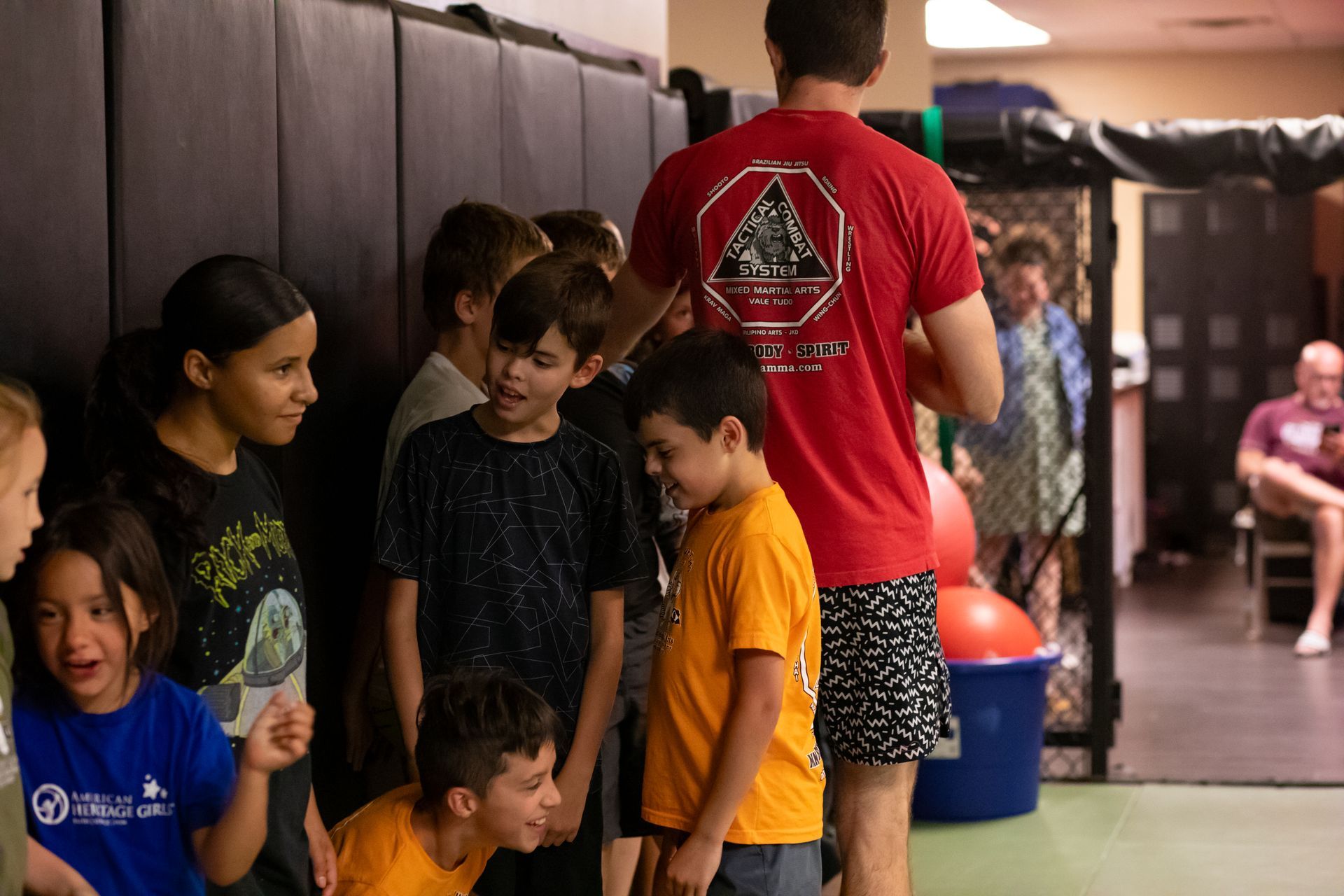
Parents often look for Youth Martial Arts in East Chambersburg because you want more than “burn energy.” You want a structured environment where your child learns discipline, respect, and how to handle frustration without melting down. Jiu-Jitsu teaches those skills in a very concrete way.
Kids learn to listen, take turns, and follow steps in sequence, and those habits help outside the academy. When your child works through a tough position and finds a solution, it reinforces problem-solving under pressure. That is a life skill, not just a sport skill.
We also keep youth training age-appropriate. The goal is development: coordination, confidence, and safe partner work. Over time, many kids become noticeably more comfortable speaking up, trying new things, and bouncing back after mistakes.
Safety, injuries, and how smart training reduces risk
A fair question is whether Jiu-Jitsu is safe. It is a contact sport, so we never pretend risk is zero. Injury data from BJJ athletes shows that 59.2 percent reported at least one injury in the previous 6 months, which sounds alarming until you talk about what “injury” includes and how coaching and culture shape outcomes.
We take a layered approach to safety. We teach controlled mechanics first, encourage tapping early, and build intensity gradually. We also match partners thoughtfully and coach you on when to push and when to protect your body. Experience tends to reduce injuries, and that makes sense: you move more efficiently, you recognize danger sooner, and you stop forcing bad positions.
If you are brand new, we also help you manage the biggest beginner risk, which is doing too much too fast. Consistency beats intensity every time.
Safety habits we coach from day one
• Tap early and tap clearly, because training is practice, not a test of toughness
• Prioritize clean technique over speed, especially when learning submissions
• Use controlled strength so your partner can learn and you can learn too
• Communicate about past injuries, tightness, and pacing before rounds begin
• Train consistently, because predictable exposure builds safer instincts than random bursts
Why beginners quit, and how we help you stay with it
Jiu-Jitsu is fun, but it can be humbling. Research notes low retention among white belts, and that tracks with what most people experience: the early phase can feel like learning a new language while someone is speaking fast. The key is having a plan.
We build our beginner experience around manageable goals. You do not need to “win” rounds. You need to recognize positions, protect yourself, escape, and learn one small improvement at a time. Progress becomes obvious when you measure the right things: calmer breathing, fewer panic reactions, better posture, smarter grips.
Just as important is community. When you know names, when you have partners who help you, and when you can ask questions without feeling silly, you keep showing up. That is how skills actually stick.
How to choose the right training rhythm for your goals
Most adults do best starting with 2 to 3 classes per week. That gives you enough repetition to improve without burning out. If stress relief is a major goal, consistency matters more than volume. If self-defense is your priority, you want steady exposure to positional training and controlled sparring. If fitness is your main driver, you can add conditioning around class, but class itself will already challenge you.
For kids and teens, the right rhythm depends on age, school load, and how they recover. We would rather see a student train at a sustainable pace for months than sprint for two weeks and disappear.
If you are unsure, the class schedule on the website makes it easy to map out a routine, and we can help you adjust after you have taken a few sessions and learned how your body responds.
Take the Next Step
Putting all of this together, the reason Jiu-Jitsu is trending in PA is pretty straightforward: it solves modern problems with an old-school kind of practice. You build practical self-defense skill, you get in better shape, and you learn how to stay calm under pressure, which is a rare combination in one activity.
If you want a place in East Chambersburg where the training is structured, welcoming, and progress-focused, we have built that at Mason Dixon Jiu-Jitsu. Come in as you are, start where you are, and let the process do what it does best.
Become part of a focused and motivated training community at Mason Dixon Jiu-Jitsu.