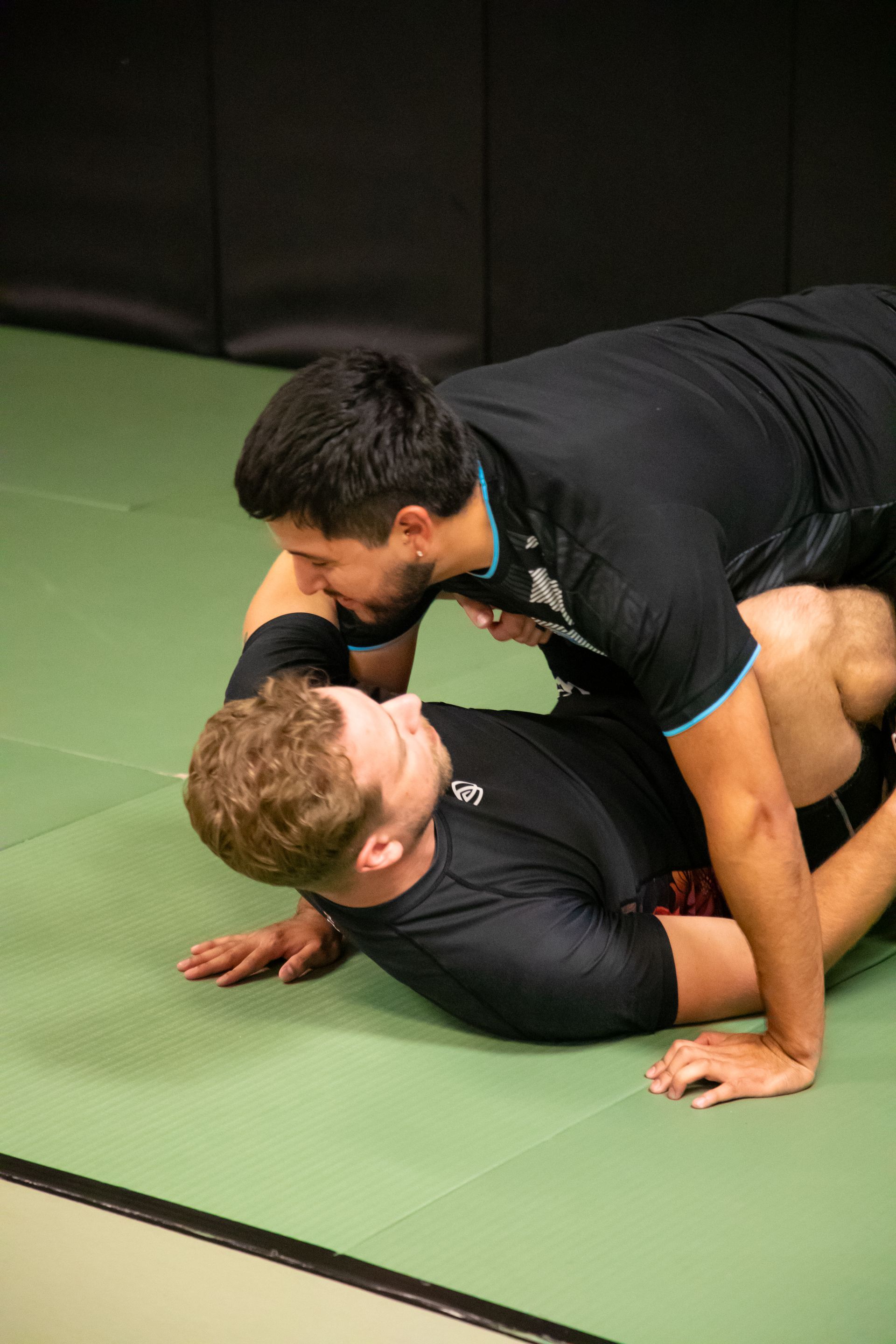
When you train with the right pace and the right habits, Jiu-Jitsu can feel less like “getting wrecked” and more like building a body you can trust.
If you have ever tried to get back into fitness as an adult, you already know the hidden challenge is not motivation. It is recovery. Soreness, fatigue, tight hips from sitting all day, a cranky neck after a long shift, and the simple reality of family and work schedules can make “being consistent” feel harder than the workout itself.
That is exactly why we like talking about Jiu-Jitsu as a wellness practice, not just a sport. When we coach it the right way, Jiu-Jitsu becomes a scalable, recovery-friendly option: you get whole-body movement, controlled intensity, and a skill you keep improving without needing to max out every session.
In this guide, we will break down how to use training to support faster recovery and lasting wellness here in Pennsylvania, especially if you are a beginner, getting back into shape, or simply trying to feel better week after week.
Why Jiu-Jitsu supports lasting wellness (when you train smart)
Jiu-Jitsu is different from many workouts because it is not just repetitive lifting or steady-state cardio. You are solving movement problems with your whole body: posture, balance, pressure, timing, and breathing. That mix can be great for long-term physical function, but only if your training is structured for sustainability.
It builds “useful” strength without needing a perfect gym routine
A lot of adults come to us with an all-or-nothing history: a few weeks of intense workouts, then weeks off because everything hurts. Jiu-Jitsu gives you a different path. You develop strength through positions and leverage, so you can train at an effort level that matches your current capacity.
That means you can show up, move well, and leave feeling like you did something real, without feeling like you have to prove anything.
It improves mobility through real movement, not just stretching
Mobility is not only about touching your toes. It is about how your hips rotate, how your spine stacks, and how your shoulders move when you reach, frame, or escape. In Jiu-Jitsu, you practice those patterns over and over, gradually, and with feedback.
Over time, that can support better everyday movement: getting up off the floor, carrying awkward loads, keeping your back happy during long days, and feeling less stiff in the mornings.
It teaches breathing and nervous-system control
One underrated part of recovery is learning how to downshift. If your body stays in “go mode” all day, soreness lingers longer, sleep quality drops, and stress piles up. In Jiu-Jitsu, you get frequent reminders to breathe under pressure, relax unnecessary tension, and reset after hard rounds.
That is not just performance talk. It is a wellness skill you can take home.
The recovery habits that matter most for Jiu-Jitsu wellness
We can talk about fancy tools all day, but the basics are still the basics for a reason. If your goal is faster recovery and lasting wellness, these pillars will carry you further than any gimmick.
Sleep: the foundation that makes everything else work
If there is one lever you can pull that changes your whole training week, it is sleep. Most adults do best around 7 to 9 hours a night, and it is not just about “energy.” Sleep supports muscle repair, coordination, mood, and how ready you feel to train.
If evening classes fit your schedule, we recommend planning your post-class routine so you can actually wind down: dim lights, shower, a simple meal, and less scrolling. It sounds boring, but it works.
Hydration: the simplest recovery tool you can use today
Many people show up slightly dehydrated without realizing it, especially if you work indoors with caffeine, outdoors in heat, or you just forget to drink water. Hydration supports performance and can reduce cramping and that “heavy” sore feeling the next day.
A practical tip: bring a water bottle you like using. If it is annoying to drink from, you will not use it. That matters more than it should.
Nutrition: protein for repair, carbs for fuel, consistency for results
After training, your body is asking for building blocks. Protein supports muscle repair, and carbohydrates help replenish glycogen so you are not dragging the next day. You do not need a complicated plan, but you do need a reliable one.
A simple post-class option that works for busy adults is a protein-forward meal with some carbs: chicken and rice, eggs and potatoes, yogurt with fruit, a turkey sandwich, or a smoothie plus something solid. The “perfect” choice is the one you will actually do consistently.
Mobility and cooldowns: your body likes a soft landing
If you sprint out the door right after class and jump straight into the car and then the couch, your body never gets the message that the hard part is over. A short cooldown helps you transition, physically and mentally.
We like a few minutes of controlled breathing, light stretching, and gentle mobility for the areas that took the most work that day, commonly hips, neck, shoulders, and lower back.
What beginners in East Chambersburg should know before starting
If you are new, the biggest mistake is thinking you must train like an experienced athlete on day one. You do not. You need a plan that respects recovery, because consistency is the real goal.
Expect normal soreness, not sharp pain
Some soreness is normal, especially in the first few weeks. You are using muscles in new ways, learning new positions, and your body is adapting. What we do not want you to train through is sharp pain, joint pain that worsens, numbness, or anything that feels unstable.
We can always adjust intensity, modify positions, or change your training focus for the day. You never get “extra points” for pushing through the wrong signal.
Technique-first training makes recovery easier
Jiu-Jitsu is a skill. When beginners try to muscle everything, the body takes a bigger hit, and recovery gets harder. When you focus on frames, posture, and efficient movement, you use less effort for better outcomes.
That is why our fundamentals approach emphasizes understanding positions and concepts, not just collecting moves.
You do not need to be flexible to start
A lot of adults avoid Martial Arts in East Chambersburg because they assume they must be flexible first. We see the opposite: you train, you move more, and flexibility improves as a side effect. Start where you are. We will meet you there.
How to recover after class for faster progress
Recovery does not need to be an hour-long ritual. A few targeted habits done consistently will help you feel better tomorrow and make your next class more productive.
Here is a simple post-class routine we recommend for most adults:
1. Drink water on the way out and keep sipping for the next hour
2. Eat a balanced meal or recovery snack within a reasonable window after training
3. Do 3 to 5 minutes of easy mobility for hips, shoulders, and neck
4. Take a warm shower and let your body relax out of training mode
5. Aim for a consistent bedtime, even if it is not perfect
None of these steps are complicated, which is the point. Recovery should fit real life in Franklin County, not require a second schedule.
Active recovery beats total inactivity for everyday soreness
If you feel stiff the day after training, complete rest can sometimes make you feel worse. Light movement often helps: walking, gentle stretching, easy cycling, or a short mobility flow. Think “circulation and loosen up,” not “work out again.”
If you are very sore, we can also recommend keeping your next session lighter: more drilling, less intensity, and focusing on clean movement.
Cold and heat: useful tools, but not magic
You will hear mixed advice about ice baths, cold plunges, heat, and contrast showers. Some people like cold for soreness, while other perspectives warn against jumping into cold immersion immediately after training if your goal is adaptation.
Our practical approach is simple: if heat helps you relax and sleep, use heat. If cold helps you feel better and you are not doing it as a badge of honor, cold can be fine. Pay attention to how you feel the next day, and keep the goal in mind: better recovery, not harsher routines.
How often should adults train for wellness and recovery?
There is no one perfect number because stress, sleep, work demands, and training intensity all matter. That said, many adults do well starting with a manageable schedule and building up gradually as recovery improves.
If your goal is Adult Jiu-Jitsu in East Chambersburg for wellness, we generally suggest you think in phases:
• Start with a frequency you can sustain for a full month
• Keep intensity moderate while your body learns the basics
• Add sessions only when you are recovering well and enjoying training
• Use lighter days intentionally, not as an afterthought
• Protect at least one true rest day most weeks
The big win is not the “most classes.” The win is the most consistent months.
Recovery tips for busy adults in Pennsylvania
Real recovery is often about removing friction. You do not need heroic discipline. You need small systems that make the right choice easier after a long day.
These habits are simple, but they add up fast:
• Keep a water bottle in your car so hydration is automatic after class
• Pack a quick snack so you do not skip food and crash later
• Set out work clothes before training so your night feels less rushed
• Do two minutes of breathing before bed to calm down after sparring
• Pick one mobility drill you actually like and repeat it nightly for a week
If you are juggling kids, commuting, or physical work, those small wins can be the difference between training for two weeks versus training for two years.
What to expect at your first class
Most people want to know what it will feel like before stepping in, and that is fair. Your first class should not feel like being thrown into the deep end.
You can expect a clear structure: a warm-up that prepares your joints and breathing, fundamentals that introduce key movements, and partner work that stays controlled. We will help you understand what to do, how to stay safe, and how to pick an intensity that supports recovery.
Wear comfortable workout clothes, bring water, and show up a few minutes early so you are not rushed. If you have old injuries or limitations, tell us. That one conversation helps us guide you better right away.
Take the Next Step
Training for wellness is not about avoiding hard work, it is about doing the right work at the right dose so you can keep showing up. When you combine smart Jiu-Jitsu training with sleep, hydration, nutrition, mobility, and intentional rest, recovery gets simpler and progress feels steadier.
At Mason Dixon Jiu-Jitsu, we coach adults in East Chambersburg with that long-game mindset: train hard enough to improve, smart enough to stay healthy, and consistently enough to make wellness a normal part of your week.
Ready to begin your training journey? Join a Brazilian Jiu-Jitsu class at Mason-Dixon Jiu-Jitsu today.