Youth Martial Arts turns the hours between dismissal and dinner into a routine that builds stronger bodies and steadier minds.
After school can be the best part of a kid’s day or the part where everything drifts. Snacks, screens, half-finished homework, and that restless energy that seems to appear out of nowhere. We built our Youth Martial Arts program to give East Chambersburg families a structured place where kids move, learn, and reset before the evening rush starts.
Parents often tell us the same thing in different ways: “We want something active, but we also want something that helps with focus and attitude.” That makes sense. Current youth-sports reporting shows demand is strong for organized, social, development-focused activities, and research on martial arts keeps pointing to the same big themes: fitness plus self-regulation, confidence, and social growth when training is structured well.
Below, we’ll explain why Youth Martial Arts in East Chambersburg fits the after-school window so naturally, what your child gains week to week, and what you should expect from a first class, including how we think about safety.
Why after-school hours matter more than most families realize
The stretch of time after school is a hinge point. Kids transition from a rules-based environment (school) into home life, where expectations can get fuzzier. That shift is exactly where routines help. A consistent after-school class gives your child a predictable next step: change clothes, get to class, follow directions, practice, cool down, head home.
Research and educational materials around martial arts programming often emphasize that the benefits show up best when training is progressive and intentional. That aligns with what we see on the mat. Kids do well when they know what the plan is, what “good effort” looks like, and what comes next.
After-school training also helps in a simple, practical way: it replaces unstructured time with active time. UNESCO’s martial arts education resources highlight how well-designed programs can help kids meet daily physical activity needs while also teaching respect, responsibility, teamwork, and inclusion. That combination is rare, and it’s one reason Martial Arts in East Chambersburg has become such a strong choice for families who want more than a basic “wear them out” activity.
The “whole-child” benefits families look for (and why martial arts fits)
Families are increasingly looking for programs that combine movement with confidence-building and social-emotional skill development. Martial arts is often described as a biopsychosocial activity because it supports physical, psychological, and social development at the same time. In plain language: kids get stronger, but they also get steadier.
Here are a few of the outcomes that tend to matter most after school:
Fitness that shows up in real-life movement
Martial arts training is associated with improvements in strength, speed, endurance, flexibility, balance, coordination, and overall motor skills for children and adolescents. We see these changes in the small ways first: better posture, smoother running, fewer “clumsy tumbles,” and more confidence in basic movement.
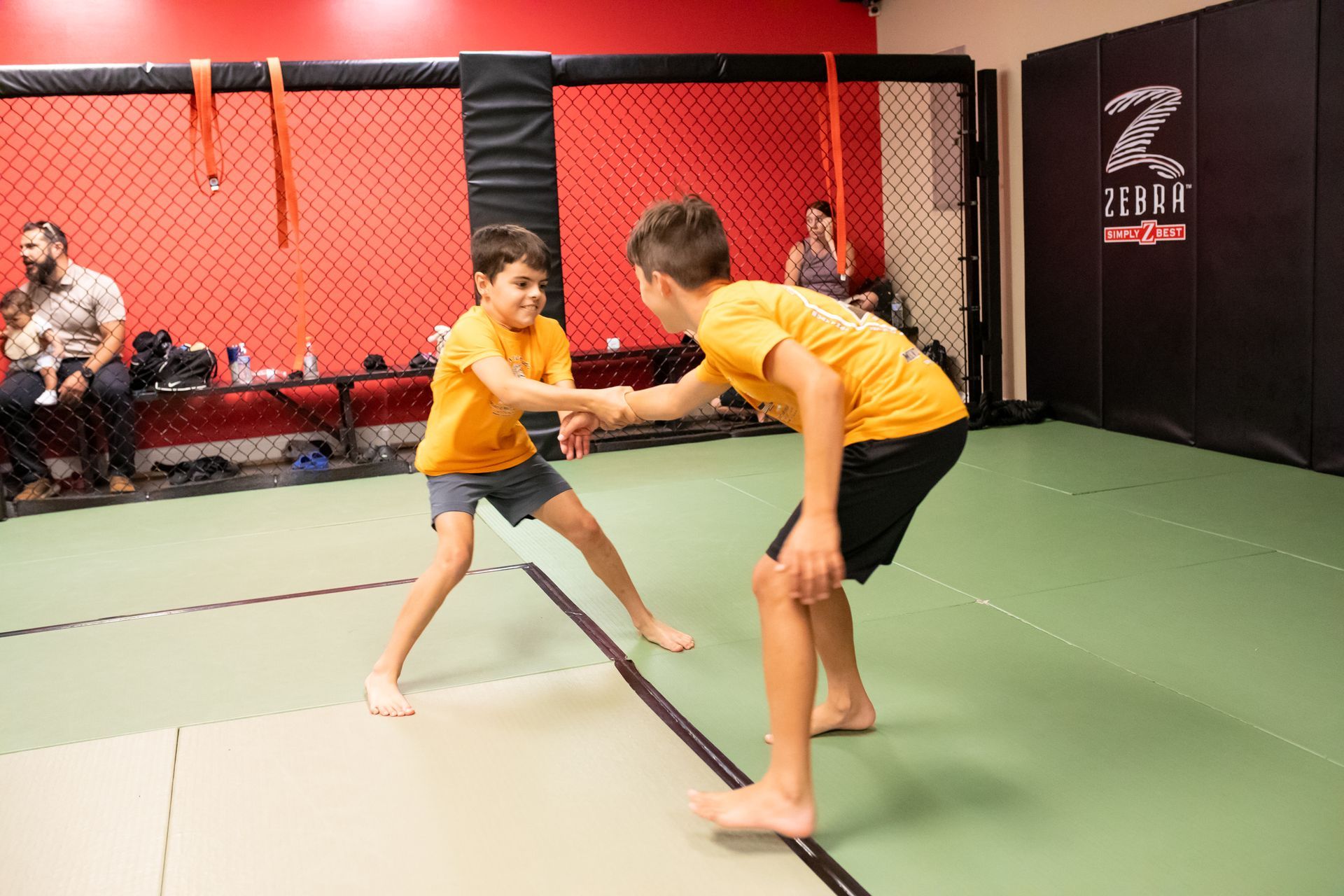
In Youth Martial Arts, kids practice body awareness constantly. They learn how to move their feet without crossing them, how to keep balance while changing levels, and how to control momentum instead of crashing into it. That kind of movement literacy supports every sport and every playground game, but it also helps in everyday life.
Self-control, emotional regulation, and calmer decision-making
Multiple studies and reviews link martial arts participation with better self-control, mindfulness, stress reduction, self-esteem, and emotional regulation, with some findings also pointing to reduced bullying behavior. We’re careful about promising miracles, but we are comfortable saying this: consistent training gives kids a place to practice pausing, listening, and trying again.
That’s not fluff. A 2026 randomized trial found structured martial arts training improved emotion regulation, attentional performance, stress resilience, and executive control more than conventional exercise in young adults. Your child is not a study subject, of course, but the direction is meaningful: martial arts is not only exercise. It is practice for staying composed under pressure.
Social growth without the “everyone must be extroverted” pressure
Not every kid wants loud crowds or constant group competition after school. In a well-run martial arts class, kids interact constantly, but the interaction has clear rules. Partner drills teach cooperation. Line drills teach patience. Taking turns teaches impulse control. And because skill progression is personal, shy kids can build friendships without needing to be the loudest person in the room.
In our Youth Martial Arts in East Chambersburg program, we aim for a culture where kids feel welcomed quickly and where effort is noticed. Progress is visible, and that matters.
Why Jiu-Jitsu works especially well for after-school structure
“Martial arts” is a big category. The reason we focus on jiu-jitsu for kids is simple: it’s problem-solving with your whole body, practiced in a controlled, coached environment.
Jiu-jitsu asks kids to do a few powerful things at once:
• Stay calm while someone is close, resisting, and moving
• Use leverage and position instead of speed alone
• Follow multi-step instructions and remember sequences
• Reset quickly after mistakes (because mistakes happen constantly)
That combination is a quiet superpower after school. Kids come in with busy brains, and training gives them one job at a time. Grip here. Step there. Breathe. Pay attention. Try again.
Over time, that turns into better self-management. Many families notice that kids leave class more settled than when they arrived, not because we exhaust them, but because they practiced focus on purpose.
What your child gains from Youth Martial Arts week to week
Some benefits are obvious right away, and others sneak up on you. Here’s what we see most often when kids train consistently:
• A healthier routine after school, with a clear transition from school to home
• Better listening skills because instructions have real-time consequences in drills
• Increased coordination and balance from repeating foundational movement patterns
• Confidence built through small wins, not big speeches
• Improved peer interaction through structured partner work and shared goals
• Respect and responsibility that comes from being part of a team culture
This is also why program quality matters. Reviews of youth martial arts find positive outcomes especially around attention, resilience, self-efficacy, and school-related behavior, but results can vary by style and by how well the program is run. We take that seriously. Structure is not an accident. It’s the point.
Safety: what parents should know about kids training Jiu-Jitsu
“Is it safe?” is the right question. Safety is not one feature. It’s a system.
We keep Youth Martial Arts safe by making sure everything is age-appropriate, closely supervised, and taught in a progressive way. That means kids start with basics: how to move on the mat, how to partner respectfully, how to stop immediately when instructed, and how to practice techniques with control.
A few safety principles we stick to:
1. Clear rules for contact and behavior, explained and reinforced every class
2. Beginner-friendly progressions so kids are not rushed into advanced situations
3. Emphasis on controlled drilling before any higher-intensity practice
4. Active coaching, not “free-for-all” time where kids figure it out alone
5. A culture where tapping, pausing, and asking questions is normal
The research supports this approach. Benefits are strongest when programs are structured well, coached attentively, and designed for child development, not adult expectations.
How training supports school focus and behavior
Parents do not just want kids busy after school. Parents want the next morning to go better, too.
Martial arts training is commonly associated with improvements in attention and self-control, and that makes sense if you think about what class requires. Kids must watch demonstrations, wait their turn, follow sequences, and regulate emotions when something is difficult. Those are executive function skills, and they matter in the classroom.
We also notice something practical: kids who train learn that effort is not the same as instant success. That mindset can carry into homework. Instead of “I can’t,” we hear more “Let me try again.” It’s subtle, but it changes the tone at home.
How often should your child train each week?
Consistency beats intensity for kids. For most families, two classes per week is a strong starting point for Youth Martial Arts because it gives kids repetition without feeling like a grind. From there, training frequency depends on your child’s age, attention span, and how your weekly schedule actually works.
If your child is brand new to Martial Arts in East Chambersburg, we usually recommend starting with a manageable routine, then building. The goal is to create a habit your family can keep, not a burst of enthusiasm that disappears in a month.
For the best fit, check the class schedule page on the website and pick times that keep the after-school routine realistic. When kids are not rushed, everyone enjoys it more.
What a first class should feel like (and what you should look for)
A good first class is equal parts welcoming and organized. Your child should not be thrown into chaos, and our goal is that your child leaves class feeling proud, not overwhelmed.
In a typical first experience, we focus on:
Simple wins and clear expectations
We start by teaching how to line up, how to move safely on the mat, and how to listen for coaching cues. Then we introduce a few foundational movements and one or two beginner techniques that are easy to repeat. Kids need reps, not a hundred new ideas.
Partner work that’s coached closely
Kids learn best with partners, but partner work should be structured, not random. We pair kids thoughtfully and keep the pace controlled. Your child learns how to cooperate, how to be a good training partner, and how to stay safe.
A finish that brings their energy down
After school, plenty of kids arrive wound up. A strong class ends with calmer energy than it started. That cooldown effect is one of the underrated perks of Youth Martial Arts in East Chambersburg, especially on busy weekdays.
After school compared with screens or “supervision-only” care
We get it: sometimes you just need coverage until you’re off work. But there’s a difference between watching time pass and using time well.
Screens are not inherently evil, but they’re passive. Daycare-style supervision can be helpful, but it often doesn’t provide a progression path. Youth Martial Arts gives your child an active outlet, a skill ladder to climb, and real coaching in self-control and respect.
That’s why this kind of training tends to “stick.” Kids can feel progress in their bodies. They can measure improvement. And they get consistent feedback from coaches who know their names and notice their effort.
Take the Next Step
The best after-school programs do two things at once: they help your child burn energy, and they help your child build skills that show up at home and at school. That’s exactly what we aim for every day, and it’s why our approach to Youth Martial Arts is structured, progressive, and centered on confidence, focus, discipline, and respect.
When you’re ready to see how this looks in person, we’d love to welcome you in. Mason Dixon Jiu-Jitsu serves families right here in East Chambersburg with a kids program designed to make after-school time count, one class at a time.
Ready to take your first step onto the mats? Join a Jiu-Jitsu class at Mason Dixon Jiu-Jitsu.